
Call 301-933-1814 or Click to
Schedule a Consultation


What Crimes Can Never Be Expunged, and What Are the Alternatives?
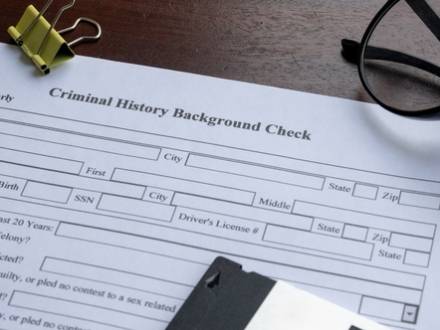 Some crimes can never be expunged under Maryland law. Expungement is meant to clear certain records from public view, but it is not available in every criminal offense. Understanding what does and doesn’t qualify can help you plan your next steps.
According to the Maryland Administrative Office of the Courts, 46,251 petitions for expungement were filed across the state in a single year. If you are exploring your options in 2026, it is important to know that even when expungement is not possible, other forms of relief may still exist. Our Chevy Chase, MD criminal defense lawyer helps individuals review their eligibility and pursue the strongest path forward.
What Does Expungement Mean in Maryland?
Expungement is the legal process of removing certain court and police records so they are no longer visible to the public. Once a record is expunged, most employers, landlords, and members of the public cannot see it during a background check.
Maryland law outlines the rules for expungement in Md. Code, Criminal Procedure § 10-105. Eligibility often depends on how the case ended and the type of offense involved.
Which Crimes Are Typically Not Eligible for Expungement?
In general, Maryland does not allow expungement for convictions involving more severe crimes. While there are limited exceptions, many convictions remain on a person’s record permanently.
Offenses that are commonly not eligible include:
- Most felony convictions
- Violent crimes
- Sex offenses requiring registration
- Crimes involving significant harm to another person
- Repeat offenses in certain situations
Even if a charge is not eligible, the details of your case still matter. Speaking with an attorney can help clarify your options.
Is Record Sealing an Alternative to Expungement in Maryland?
In some cases, record sealing – often called shielding in Maryland – may provide meaningful relief when expungement is not available.
Under Md. Code, Criminal Procedure § 10-301, shielding limits who can see certain records. While law enforcement and some government agencies may still have access, the general public usually cannot view them.
Shielding may help reduce barriers when applying for jobs or housing, allowing you to move forward with greater privacy.
Can a Pardon Help Clear Your Record in Maryland?
A gubernatorial pardon is another possible option for some individuals. A pardon does not erase the conviction. However, it is an official act of forgiveness that may improve opportunities and, in some cases, support a later request for expungement.
Pardons are not automatic and typically require a strong application that shows the person has been rehabilitated and made positive contributions to society since the offense. The process can take time, and approval is never guaranteed.
Many people include evidence such as steady employment, community involvement, and letters of recommendation to strengthen their request. Speaking with an attorney before applying can help you understand whether a pardon is realistic and how to present the strongest possible application.
What Should You Do Before Filing for Expungement or Shielding?
Taking the time to understand your eligibility can prevent delays and avoid denied petitions.
You should consider:
- Reviewing your full criminal record for accuracy
- Confirming that all waiting periods have passed
- Completing any required probation or court obligations
- Gathering documents related to your case
- Speaking with a defense attorney before filing
Careful preparation can help the process move more smoothly.
How Can Clearing Your Record Affect Your Future?
A criminal record can influence many parts of life, including employment, professional licensing, housing opportunities, and education. Clearing or limiting access to your record can open doors that once felt closed. Many people describe a sense of relief after resolving old cases because it allows them to focus on future goals rather than past mistakes.
Contact Our Rockville, MD Criminal Defense Attorney Today
At Salvado Law Offices, we are fully prepared and committed to taking on your case with diligence and attentiveness. Our team works closely with clients to provide clear guidance and practical support throughout the process. If you are ready to explore your options, contact our Chevy Chase, MD criminal defense lawyer by calling 301-933-1814 to schedule a consultation. Se habla Español.






CONTACT US TODAY
Set up a consultation by calling 301-933-1814 or filling out our contact form:


