
Call 301-933-1814 or Click to
Schedule a Consultation


Can a Contractor Refuse to Fix Defective Work After Final Payment?
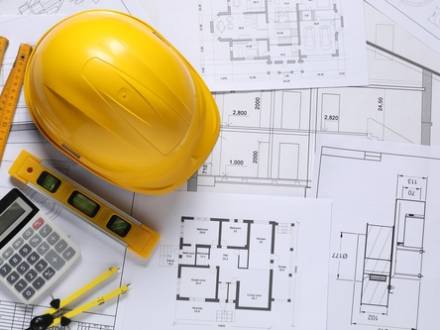 Many homeowners believe that once contractors are paid in full, they can walk away from the job, even if problems show up later. That is not always true in Maryland. Whether a contractor can refuse to fix defective work after final payment depends on the contract, the type of problem, and how Maryland construction law treats construction work and contractor responsibilities.
In 2025, federal economic data showed that private residential construction spending in the United States reached about $927 billion. With so much work happening, disagreements over poor workmanship and unfinished repairs are not unusual.
As of 2026, Maryland courts continue to rely on written contracts, basic workmanship standards, and consumer protection laws when resolving contractor disputes. If you are dealing with defective work, our Aspen Hill, MD construction lawyers can help you understand what responsibility may still exist after payment.
Does Final Payment End a Contractor’s Responsibility in Maryland?
Final payment does not automatically end a contractor’s responsibility for the quality of their work. Payment closes out the billing side of the job, but it does not excuse poor or defective work. If the work does not meet the contract terms or basic construction standards, the contractor may still be responsible for fixing the issue, even after being paid in full.
What Does a Construction Contract Say About Repairs and Defective Work?
The contract is usually the first thing to review. Many construction contracts include language about warranties, repairs, or how defects must be handled after the work is finished.
Courts often look at whether the contractor promised to complete the job in a proper and workmanlike way. If the final result falls short of that promise, repair duties may still apply.
What Counts as Defective Construction Work Under Maryland Law?
Defective work usually involves more than small cosmetic flaws. It often means the work does not function as it should, creates safety concerns, or fails to meet basic construction standards.
Examples of defective construction work may include:
-
Structural problems that affect the stability of the building
-
Water leaks caused by improper installation or sealing
-
Electrical issues that create safety risks or code violations
-
Plumbing problems that lead to damage or ongoing repairs
-
Work that does not comply with local building codes
Contractors are generally expected to follow accepted industry practices and complete the job in a proper and workmanlike manner.
Can a Contractor Refuse Repairs by Claiming the Job Was Accepted in Maryland?
Some contractors argue that final payment means the homeowner accepted the work as completed. That argument does not always hold up.
Maryland law often treats hidden defects differently from problems that are easy to see right away. If a defect could not reasonably be discovered at the time of payment, acceptance may not protect the contractor.
What Maryland Laws Can Impact Defective Work Disputes?
Contract law governs the agreement itself. Consumer protection laws may apply if misleading or unfair practices are involved.
However, Md. Code, Commercial Law § 13-301 may be the most applicable law in these cases. It states that contractors may not engage in unfair or deceptive trade practices. This can include misrepresenting the quality of work or refusing to address known defects.
What Should You Do if a Maryland Contractor Refuses To Fix Defective Work?
It is important to document the problem as soon as you notice it. Photos, inspection reports, and written messages can help show when the defect appeared and how serious it is.
You should also be careful about making repairs that could remove evidence. Speaking with a lawyer can help you decide whether to seek repairs, negotiate, or take formal legal action.
Contact Our Rockville, MD Construction Law Attorneys Today
If you are dealing with defective construction work after final payment, we can help you review your options. At Salvado Law Offices, we are fully prepared and committed to handling your case with care and close attention. Attorney Carlos J.R. Salvado is a frequent guest on Agendo Radio, where he speaks for and supports the Hispanic community while addressing local and national issues affecting Latin Americans and immigrants.
Call 301-933-1814 to speak with our Aspen Hill, MD construction lawyers today to find out how we can help you resolve a contractor issue. Se habla Español.





CONTACT US TODAY
Set up a consultation by calling 301-933-1814 or filling out our contact form:


