
Call 301-933-1814 or Click to
Schedule a Consultation


What Evidence Do You Need To Prove Fault in a Virginia Car Accident Case?
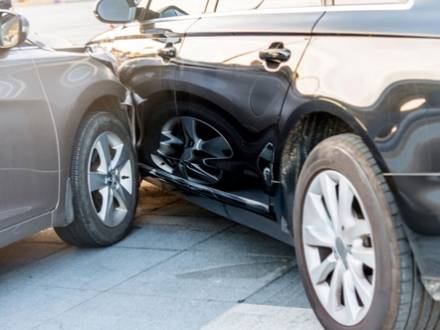 After a car accident, proving who was at fault is the foundation of your entire case. Without evidence of fault, getting compensation for your injuries, your medical bills, and your lost income becomes very difficult. However, there are many types of evidence available after a car accident, and knowing what to look for and how to preserve it can make a significant difference in the strength of your claim. If you have been injured in a car accident in 2026, our Great Falls, VA personal injury lawyers can help you identify the right evidence and build the strongest possible case on your behalf.
Why Does Fault Matter in a Virginia Car Accident Case?
Virginia follows a legal rule called contributory negligence. If you are found to be even slightly at fault for the accident, you may be barred from recovering any compensation at all. This is one of the strictest fault rules in the country, and it makes proving that the other driver was entirely at fault especially important in Virginia car accident cases.
This rule also makes it critical to act quickly after an accident. Evidence fades. Witnesses forget details. Surveillance footage gets deleted. The stronger and more complete your evidence is, the harder it is for the other side to shift any blame onto you.
What Physical Evidence Is Most Important After a Car Accident in VA?
Physical evidence from the scene of the accident is often the most powerful proof of what happened. The most important types include:
-
Photos and videos of the vehicles, showing the location and extent of the damage to each car
-
Photos of the accident scene, including skid marks, road conditions, traffic signs, and any debris
-
The final position of the vehicles after the crash
-
Damage to surrounding property, like guardrails, fences, or other objects
-
Any physical evidence that shows the speed or direction of travel at the time of impact
Taking photos immediately after the accident, before vehicles are moved, is one of the most important things you can do. If you are too injured to do it yourself, ask someone nearby to help.
How Does a Police Report Help Prove Fault in a Virginia Car Accident Case?
When police respond to a car accident, they create an official report that documents their observations, the statements of the drivers and witnesses, and in many cases their own assessment of what happened. The police report is not always the final word on fault, but it is an important piece of evidence that insurance companies and courts take seriously.
If the officer cited the other driver for a traffic violation, that citation can be powerful evidence that the other driver was at fault. Violations like running a red light, failing to yield, speeding, or reckless driving under Virginia Code Section 46.2-852 are directly relevant to who caused the crash. Make sure you get a copy of the police report as soon as it is available.
What Role Do Witnesses Play in a Car Accident Case?
Eyewitness accounts can be some of the most compelling evidence in a car accident case. A witness who saw the crash happen and can describe what the other driver did wrong provides an independent perspective that is harder for the defense to dispute than the account of one of the parties involved.
Get the names and contact information of anyone who witnessed the accident before they leave the scene. Witnesses who are not connected to either driver are especially valuable because they have no reason to favor either side. If witnesses are not identified at the scene, they can be very difficult to find later.
Can Traffic Camera or Surveillance Footage Be Used as Evidence in a VA Car Accident Case?
Video footage can be extremely powerful because it shows exactly what happened without relying on anyone's memory or account. Traffic cameras, business security cameras, dashcam footage, and even doorbell cameras near the accident scene may have captured the crash.
This evidence has to be obtained quickly. Many cameras overwrite their footage within days or even hours. An attorney can send a preservation letter demanding that the footage be kept before it is deleted. Acting fast on this type of evidence can make or break a case.
How Can a Crash Reconstruction Expert Impact a Car Accident Claim?
In more complex accidents, such as those involving high speeds, multiple vehicles, or disputed facts about what happened, a crash reconstruction expert can be invaluable. These experts analyze the physical evidence from the scene, the vehicle damage, and other data to recreate how the accident happened and explain who was responsible.
Reconstruction experts are particularly useful when the physical evidence tells a different story from that of one of the drivers. Their testimony can challenge a version of events that does not match what the evidence shows and provide a clear, science-based explanation of how the crash unfolded.
What Medical Evidence Connects Your Injuries to a Car Accident?
Proving fault is only part of what you need in a car accident case. You also need to show that the accident caused your injuries and that those injuries resulted in real losses. Medical records, emergency room reports, and treatment notes from your doctors all help establish the connection between the crash and your injuries.
Getting medical attention immediately after the accident, even if you feel okay, is critical. Some injuries do not show symptoms right away. A gap in medical treatment after an accident can allow the other side to argue that your injuries were not caused by the crash or were not as serious as you claim.
Schedule a Free Consultation With Our Tysons, VA Car Accident Lawyers
After a car accident, you should not have to fight for fair compensation on your own. The Great Falls, VA personal injury attorneys at Salvado Law Offices are fully prepared and committed to taking on your case with diligence and attentiveness from the very first conversation. Call 703-379-9446 to talk about your accident and find out how to start building the evidence you need to prove your case.






CONTACT US TODAY
Set up a consultation by calling 301-933-1814 or filling out our contact form:


