
Call 301-933-1814 or Click to
Schedule a Consultation


Can I Make the Contractor Pay to Correct Defective Construction Work in Virginia?
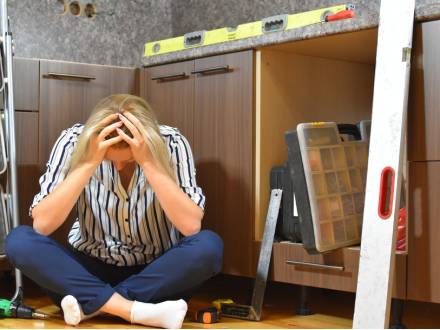
You paid for a home improvement, but now you’re stuck with shoddy work and wondering who should pay to fix it. In Virginia, you can hold a contractor responsible for defective work. You can seek money to cover the repairs or ask the contractor to redo the work at no extra cost. If you discovered defective construction work in 2026, our McLean, VA construction law lawyers can review your contract and explain your options.
Can You Sue a Contractor for Poor Work in Virginia?
If a contractor fails to comply with your agreement, you can file a breach-of-contract claim. For example, the contractor might use the wrong materials, leave work unfinished, or install something incorrectly.
You can also file a breach-of-warranty claim if the contractor failed to meet the terms of a written warranty. Certain newly built homes have additional warranty protections under Virginia law.
You could have a claim if the contractor lied to you about the work. Poor workmanship alone is usually a contract issue. A negligence claim can come up if the contractor broke a legal duty they had even without the contract and caused harm.
What Happens if a Virginia Contractor Is Unlicensed?
Virginia requires contractors to have the proper license for work that meets state licensing requirements. You can check a contractor's license through the Virginia Department of Professional and Occupational Regulation (DPOR).
Under Va. Code § 54.1-1115, contractors working without a required license usually cannot enforce their contracts. An exception can apply if the contractor did most of what the contract required in good faith and did not know they needed a license.
You can also report licensing violations to DPOR. The agency can investigate and discipline contractors, but it cannot force them to refund your money or fix the work.
Must You Give a Contractor a Chance to Fix Defective Work in Virginia?
Your contract may require you to give the contractor written notice before hiring someone else. It could also give them a certain amount of time to correct the problem.
Under Va. Code § 55.1-357, certain warranties for newly sold homes require written notice with proof of delivery. The seller then has a reasonable amount of time, up to six months, to fix the covered defect.
Read your contract carefully before taking action. If it requires notice by certified mail, an email might not be enough. If the problem creates an immediate danger, take reasonable steps to prevent further damage. Document the condition before making emergency repairs.
What Evidence Can Help Prove Defective Construction Work?
You need evidence showing what the contractor did wrong and how much repairs will cost. Important records include:
-
Photos and videos showing the defective work
-
Your contract, building plans, and any changes to the agreement
-
Text messages, emails, invoices, and payment records
-
Building permits and inspection reports
-
Written repair estimates from qualified contractors
An independent contractor or engineer can inspect the work and explain what needs to be fixed. A written report can help prove that the problem came from poor construction rather than normal wear.
Try to preserve the damaged materials until they have been inspected. Removing everything too soon can make it harder to prove your claim.
Can You Recover Money if the Contractor Refuses to Pay for Defective Work?
If a contractor refuses to pay for repairs, you can seek compensation through a lawsuit or settlement. The amount depends on the damage and the reasonable cost of correcting it.
Virginia also has a Contractor Transaction Recovery Fund. The fund can help eligible homeowners who can’t collect a court judgment for certain dishonest or improper conduct by a licensed contractor. A breach of contract alone isn’t enough. Claims are limited to $30,000 and have strict requirements.
An attorney can help determine whether you qualify for compensation through this fund.
What Should You Do Before Hiring Another Contractor?
First, document the defects and have an independent professional inspect the work. Review your contract and send the original contractor a written complaint. Explain what needs to be fixed and give them the time required by your agreement.
Be careful about withholding payments. The contractor could claim you broke the agreement or file a mechanic's lien against your property.
Speak with an attorney before making major repairs or signing another contract. This can help protect your right to recover the costs.
Contact Our Tysons, VA Construction Law Attorneys Today
At Salvado Law Offices, our attorneys handle construction disputes with care and attention. Attorney Carlos Salvado is a frequent guest on Agendo Radio, where he answers questions and discusses issues affecting Hispanic and immigrant communities. Our team works to protect clients' rights and resolve construction problems.
If you are dealing with defective construction work in 2026, contact Salvado Law Offices at 703-379-9446 to talk to our McLean, VA construction law lawyers today.
Se habla español.






CONTACT US TODAY
Set up a consultation by calling 301-933-1814 or filling out our contact form:


